
As a science-based organization, the Xerces Society produces dozens of publications annually, all of which employ the best available research to guide effective conservation efforts. Our publications range from guidelines for land managers, to brochures offering overviews of key concepts related to invertebrate conservation, from books about supporting pollinators in farmland, to region-specific plant lists. We hope that whatever you are seeking—whether it's guidance on making a home or community garden pollinator-friendly, advice on developing a local pesticide reduction strategy, or detailed information on restoring habitat—you will find it here!
Find Publications
Use the search functions to sort by publication type (books, guidelines, fact sheets, etc.), location, and/or subject (agriculture, gardens, pollinators, pesticides, etc.).
California
This information sheet has details of the plant species included in the California Monarch and Pollinator Habitat Kits, an overview of the habitat kit project, and guidance on how to request a kit.
(U.S. Fish and Wildlife Service)
Conservation recommendations from the U.S.
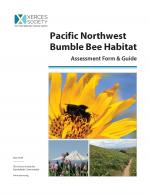
By Rich Hatfield, Ann Potter (WDFW), and Joel Sauder (IDFG)
Bumble bees are charismatic and easily recognizable pollinators thanks to their large size and distinctive striped patterns, usually of black and yellow, but often with stripes of red, orange, or white. They play an incredibly important role in keeping our environment healthy by pollinating flowers in natural areas and by contributing to successful harvests on farms.
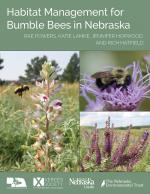
In the past twenty years, only 15 species of bumble bees have been observed in Nebraska, five fewer species than historically recorded between 1800–2001. The most immediate and productive steps that we can take to conserve these imperiled pollinators is to intentionally manage and restore existing habitat and/ or create additional habitat. The recommendations in this guide combine the latest understanding of bumble bee habitat needs with lessons learned from the Nebraska Bumble Bee Atlas (NEBBA).
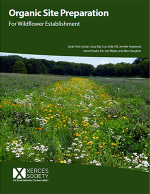
Site preparation is one of the most important and often inadequately addressed components for successfully installing pollinator habitat. These guidelines provide step-by-step instructions, helpful suggestions, and regional timelines & checklists for preparing both small and large sites
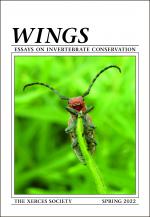
Essays on Invertebrate Conservation
Xerces Society staff share a passion for protecting insects and other invertebrates, but also a fascination with the diverse and intriguing behaviors of the animals that we work with. This issue of Wings looks at some of the ways in which we interact with insects as well as ways that we collaborate with individuals and communities to make conservation a success.
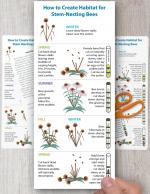
How to Create Habitat for Stem-Nesting Bees
Help us save the stems for native bees—share this brochure with friends, family, and neighbors. This 1/3-page brochure explains the nesting cycle for solitary stem-nesting bees and how to protect them (and their nests) year-round.

Plant Ecology, Seed Production Methods, and Habitat Restoration Opportunities
Milkweeds: A Conservation Practitioner’s Guide provides conservation professionals with information about optimizing milkweed seed production methods, offers guidance on incorporating milkweeds into restoration and revegetation efforts, and highlights milkweeds’ unique characteristics and value to wildlife. Native seed producers, restoration practitioners, land managers, monarch conservationists, gardeners, and landowners will all find this guide valuable.
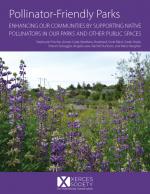
Enhancing Our Communities by Supporting Native Pollinators in Our Parks and Other Public Spaces
Plants and wildlife, including pollinators, can thrive in the seemingly inhospitable environment of towns and cities. Studies done from around the country have shown that dozens of species of bees can be found in gardens and parks in areas that are dominated by hardscapes such as Berkeley, California, and East Harlem in New York. In some cases, towns and cities are also important strongholds for rare species like the rusty patched bumble bee.
Protecting Aquatic Ecosystems
This fact sheet explores how ubiquitous insecticide seed treatments threaten water quality throughout the Midwest, focusing on the most commonly used neonicotinoid insecticides. It also discusses how disposal of excess treated seed can impact waterways and communities, and how we can all address these threats.


